Some small businesses write a check made out to cash. In the payee area, write CASH and write out the amount. Anyone can cash the check. While it is convenient for owners, it is best not to do this. Anyone can also deposit it; if you lose it, anyone can deposit it. This practice is not recommended because it is hard to track the expenses tied to the cashed check, among other reasons. However, if you need to do this, today we are discussing how to keep the costs from the cash payee check in order just in case you get audited.
**This is for informational purposes only. At the time of writing, this was accurate. It may no longer be. Consult your accountant before taking any action. **
Key Takeaways
- Small businesses often write checks made out to cash, but this can lead to tracking issues; it’s not recommended.
- To properly record checks made out to cash, keep good records and all related receipts.
- Place cash in an envelope (affiliate) labeled with the date, and include cash slips, gas slips, and invoices associated with the check.
- Create a digital spreadsheet to document the check number, date, amount, and expenses, then file everything together for easy access.
- Consider alternative methods, like writing the check to yourself and keeping thorough records, to simplify bookkeeping.
You need to keep good records because the IRS looks for backup paperwork for these cash withdrawals during audits. Keep in mind that we all need cash for various purchases. If we work with cash often, these steps will help you stay organized with your bookkeeping.
Steps to record checks made to cash
Below are steps to record checks made out to cash to protect your business:
Place Cash in an envelope
After you get cash, place it in an envelope (affiliate). Write the date you withdrew the money so it matches your bank register. Do not reuse the envelope (affiliate) for anything other than this cashed check.
Add all the cash slips (affiliate), gas slips, and invoices the check will be associated with together in the envelope.
Get all the receipts that pertain to cash. There is no question about it. You NEED THE RECEIPTS!
Create a Spreadsheet on your computer or online
Create a spreadsheet that includes the check number, date, amount, and all the associated payments for the cashed check. Print out the spreadsheet, and staple the receipts to it. Below is an example of what an expense spreadsheet for cashed checks would look like.

When you use up all the cash, create a current-year file in your office filing cabinet.
Name the file with the check number and the date you wrote the cash check. Add all the receipts and the envelope to the folder. If you do this often, you may want to get an accordion folder for receipts to help you organize the receipts with the cashed checks. Below are some accordion folders (affiliate) for receipts I found on Amazon (affiliate).
 Buy Now →
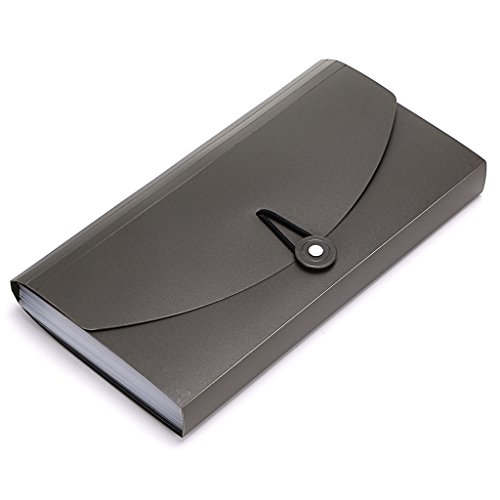
Accordion File Folder Small Holder File 13 pockets
Buy Now →(affiliate)
If you choose the accordion folder option, label each tab with the date and check number, then place the receipts inside.
These steps will help you keep the correct backup records for an audit. Keeping these cash checks organized will eliminate any headaches you may have at the end of the year.
Another option is to make the check out to yourself and deposit it in your personal account. Keep the receipts in an envelope marked with the check number and date cashed so you or your bookkeeper can add them to your Quicken (affiliate) or QuickBooks account. Receipts are super important and should be organized well to help you and your accountant.
Visit the post below for more information about cash transactions.
What Triggers a Tax Audit by QuickBooks
If you are wondering how long you should keep documents for your small business, including these cash transactions, check out our post: How Long Should I Keep Business Records
Please note these are affiliate links through Amazon (affiliate), and at no additional cost to you, I will earn affiliate fees if you decide to make a purchase.
Closing
I hope this post helps you deal with how to record checks made out to cash correctly so you and your accountant understand what you did in later months.
**This is for informational purposes only. At the time of writing, this was accurate. It may no longer be. Consult your accountant before taking any action. **
Visit our other Related Articles!








Leave a Reply