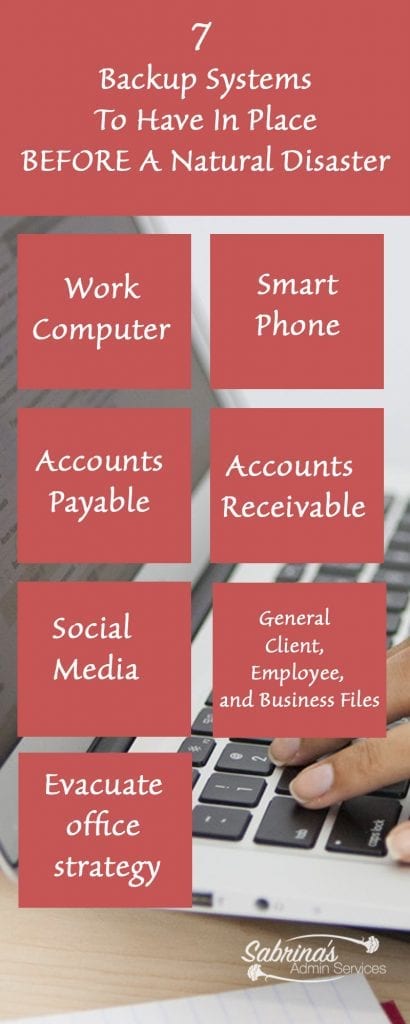
As I mentioned in an earlier post, September is National Preparedness Month. This post will help you review your backup systems to ensure they are prepared for any potential issues. The summer is a great time to review your office procedures and emergency backup plans. Completing these tasks informs employees on what to do in the event of an emergency, such as a hurricane or other natural disaster. It also shows your customers that you are thinking about their well-being. Clients (affiliate) who have concerns or issues and reach out to you for help or guidance will be your advocate when others ask about your service. So, don’t let them down. This week, we’re discussing backup systems you should have in place before an unexpected event occurs.
Topics
Key Takeaways
- Review your backup systems during National Preparedness Month to ensure readiness for emergencies.
- Create and regularly update a spreadsheet listing all backups for computers, smartphones, and accounts payable.
- Implement the 3-2-1 rule for data storage: three copies on two different media types, one off-site.
- Secure sensitive files and documents, ensuring they’re stored safely and backed up in multiple locations.
- Establish an evacuation plan, detailing essential items to take and procedures to follow during an emergency.
With the extreme weather we have experienced over the years, it’s best to develop a basic strategy for your small business. Below are areas to review to ensure your backup systems are well-planned and ready for use if needed. Answer these questions and modify your plan accordingly. You can do this! Ask for help as needed.
Create a spreadsheet that lists all these responses. Print it out on paper, save it to your computer, and use it online for future use if needed. Make sure your plan is reviewed and revised at least every six months.
What backup system should I have on my computer?
- Do you have a backup on your computer? Is it on-site, or is it online?
- If so, check to ensure it is still functioning correctly. When was the last time you did a backup?
- Does it do it automatically once a week?
- Are you following the 3-2-1 rule? That’s three copies of your data on two different media types, with one copy stored off-site. It sounds like a lot, but once it’s set up, it runs in the background.
- Have you actually tested a restore? A backup you’ve never restored from is just a hope, not a plan. Pick one file each quarter and practice pulling it back.
Visit this article for more information if you do not have a backup system. The Beginner’s Guide to PC Backup.
Where do I back up my SmartPhone?
- Where does your phone store its backup files?
- Do you have cables that you need for your devices? Where do you usually store them?
- How often do I back up my phone? Has it been doing a complete backup? Are there any errors?
- Is your business contact list synced to a cloud account (not just your phone)? If your phone takes a swim, those numbers are gone unless they’re saved somewhere else.
- Do you have two-factor authentication codes backed up? If you lose your phone and your authenticator app isn’t backed up, you could be locked out of your business accounts. I learned this one the hard way.
Add a column to the spreadsheet labeled “location of the item currently.” This task will help you when you’re frantically rushing to gather your items.
The content you love. The privacy you need.
Keep your online activity safer and more private. Annual plans come with a 60-day money-back guarantee.


What is my backup system for Accounts Payable?
- Do you have a place that lists all your expenses (which includes the payee name, website, phone number, and amount you pay)?
- Does this list include the due dates for bills?
- Do you have your payables online through your bank or on paper?
- Are your recurring auto-payments documented somewhere outside the bank account? If you ever need to switch banks in a hurry, you’ll want that list.
- Do you have a backup payment method on file with critical vendors (web hosting, software subscriptions, your phone carrier)? You don’t want your website to go down because one card has expired.
Create a separate spreadsheet with a list of all the payees or update this information in your QuickBooks Pro, FreshBooks (affiliate), or QuickBooks Online vendor accounts.
Remember that the IRS warns that disasters are no excuse for missing tax and financial documents or data. If you lose your company’s files, they need to be reconstructed. To help you keep track of crucial backup paperwork, follow these steps.
- Keep original documents in waterproof containers, not Paper or cardboard boxes.
- Elevate them off the ground to protect them from water damage. Use tall shelving.
- Make copies by scanning documents and storing them in a different location, such as cloud storage or an external hard drive off-site.
- Keep high-value property documents in a list and take photos of them. Update this list often. Details of high-value items you took deductions on will help if you are ever audited.
- Keep a copy of your most recent tax return in your “grab and go” emergency folder. It has more useful information than you’d think, from the EIN to prior-year figures.
Paper files need to be kept safe.
This section was from another page on my site, but it is time to revisit and share it here.
Six files to keep safe and use only on a work computer
- Client files (affiliate) – Keep all records in one location and never move the folders to other laptops (affiliate). Things get lost quickly with technology. Be sure to include Contracts and Agreements in the client and vendor folders. Signed client agreements, NDAs, and vendor contracts are easy to forget about until you need to reference one in a hurry.
- Accounting files: These files are bookkeeping records that contain sensitive information, such as EINs, login information from tax agencies, etc.
- Human Resources files – These files contain sensitive information about your employees and subcontractors.
- Bank information: These files contain full-length bank account numbers.
- Product information – These files are products for your business, from which you obtain your supplies and credit card accounts.
- Research data: files for future use, potentially for upcoming projects or new launches.
Making sure your computer files are well organized is essential during an emergency. This will help you know where things are and how to retrieve them, even when you’re not at home, giving you peace of mind.
Keep in mind that there may be more things you need to back up and copy for your business. This list is not complete by any stretch.
Questions to ask about your Accounts Receivable system.
- Do you have your client information accessible on more than one device?
- Do you back up your client lists and leads off-site?
- Is all your customer information on your computer, or is it still on paper?
- Can you send an invoice from your phone if your computer is unavailable? Make sure your invoicing app is installed and signed in on a second device.
- Do you have a way to communicate with clients (affiliate) if your business email is down? Keep a personal email address handy that you’ve already shared with key clients (affiliate).
Ensure that you add all your clients’ contact information to your invoicing software under the customer section for each account.
What questions should I ask about my Social Media Accounts?
- Are your Social Media accounts secure?
- Do you have strong passwords?
- Do you have the passwords backed up somewhere other than my computer? Do you have a printed list of all your passwords?
- Does at least one other person have access to these accounts?
- Are you using a password manager? It’s so much safer than a spreadsheet, and you only have to remember one master password.
- Have you saved your backup recovery codes for each account? Most platforms give you a one-time set of codes when you turn on two-factor authentication. Print them out and store them with your important documents.
Create a spreadsheet with all your passwords and username information. Visit this post: Tips to Make a Strong Password on how to create a secure password.
What backup systems do I have for General Client, Employee, and Business Files?
- Do you have anything stored in the cloud?
- What files are stored in the cloud?
- Do you have more than one place to store your general digital data?
- Are all your papers scanned into the computer, so you can reference them if needed?
- Is your cloud storage actually syncing, or is it paused? It’s worth opening the app once a month just to confirm those green checkmarks are showing up.
Set time aside to scan important documents and keep them on your computer just in case you have to go in a pinch.
What are the procedures for evacuating the office?
Do you have a “what to take with me” plan? A “what to take with me” plan is a list of items you need to bring with you if you have to leave your office or primary home office suddenly. Below is a list of things you may want to add.
- Laptop and cables.
- Cellphone and cables.
- Planner.
- Client files (affiliate).
- External Hard drives (affiliate).
- Safe(s)
- Keys and wallets
- Credit cards
- Important documents
- Emergency preparedness documents
- A portable power bank (fully charged). Power outages and evacuations don’t go well together.
- A printed copy of your emergency contact list, including your insurance agent, IT support, and key clients. You don’t want to be hunting for a phone number when you’re stressed.
Products You May Need

Scanner: Epson WorkForce ES-50 Portable Sheet-Fed Document Scanner for PC and Mac
Buy Now →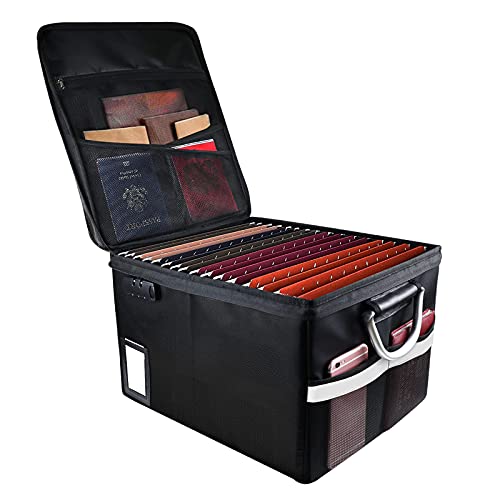
Fireproof Document File Organizer Box with lock
Buy Now →
Buy Now → 
Seagate Portable 2TB External Hard Drive HDD
Buy Now →(affiliate)
Some other questions to ask are:
- What items do you physically need to take with you?
- Can you scan these items so you don’t have to carry them physically?
- Can these items be stored in an accordion folder for easy transport?
Now that you have all the necessary items, you can write down the tasks to complete if you need to leave immediately.
Things on this ‘things to do before you evacuate’ list could be:
- Back up the files from your laptop to an external device.
- Ensure your staff take all the things they use with them.
- Ensure that all devices’ software is up to date before leaving.
- If you have a password-protected file you use often, ensure that you transfer a copy to your laptop.
- Make sure your Microsoft OneNote or Evernote application is synced to the cloud.
Creating a task list will give you peace of mind if you forget something in a rush.
Frequently Asked Questions
For business records, the IRS generally recommends keeping tax-related documents for at least seven years. For everyday files, I keep monthly backups for a year and yearly backups indefinitely. Storage is cheap, peace of mind is priceless.
For most solopreneurs and small businesses, you can have a solid backup system for under $20 a month. A good external hard drive runs $60 to $100 (a one-time purchase), and cloud storage plans for business start at around $10 to $15 a month.
At a minimum, your important files should be backing up automatically every day. For files you actively work on, real-time cloud sync (like OneDrive, Dropbox, or Google Drive) is even better. Then do a full external backup at least once a week.
That’s okay! Many backup tools today are “set it and forget it.” If you’re stuck, reach out to a virtual assistant or admin service (like mine!) to help you set it up. Once it’s running, it does the work for you.
Don’t panic, and don’t try to do it all at once. Start by backing up your accounting files and client list this week, those are your most important. Then add the rest one category at a time. Small steps add up quickly!
Great question! Cloud storage (like Dropbox or Google Drive) syncs your files, so if you delete or corrupt a file on your computer, the same thing happens in the cloud. A true backup keeps separate, dated versions you can restore from. You really want both.
Here are other posts that talk about what to set up before an emergency for your small business.
I hope this helps you and your small business prepare for any emergencies that may arise, and I hope you will never need to refer back to a backup procedure you created. However, if you do, you will be ready.
Please note that these are affiliate links through Amazon (affiliate). At no additional cost to you, I will earn affiliate fees if you decide to make a purchase.
Related Topics: